Easy Homemade Keto Mayonnaise | 4 Ingredients, 10 Minutes Hands-On
- Total time
- 1 hour 10 minutes
- Makes
- 20 tablespoons
- Net carbs
- 0g
- Calories
- 100
Have you ever flipped a jar of store-bought mayo around and actually read the label?
It is not pretty. Most commercial brands sneak in unwanted sugars and heavily processed seed oils. Finding a truly clean keto mayonnaise on a regular grocery shelf feels almost impossible. You end up standing in the condiment aisle, squinting at tiny print, feeling completely defeated.
But here is the thing. You do not need the grocery store anymore.
Making your own easy homemade keto mayonnaise takes only four ingredients and about ten minutes of your time. That is it. Once you taste it, you will genuinely wonder why you ever bought the stuff in a jar.
Why bother making it from scratch? Because you get complete control over every single thing that goes into your body. No hidden carbs. No mystery oils. Just real, simple ingredients that you can actually pronounce.
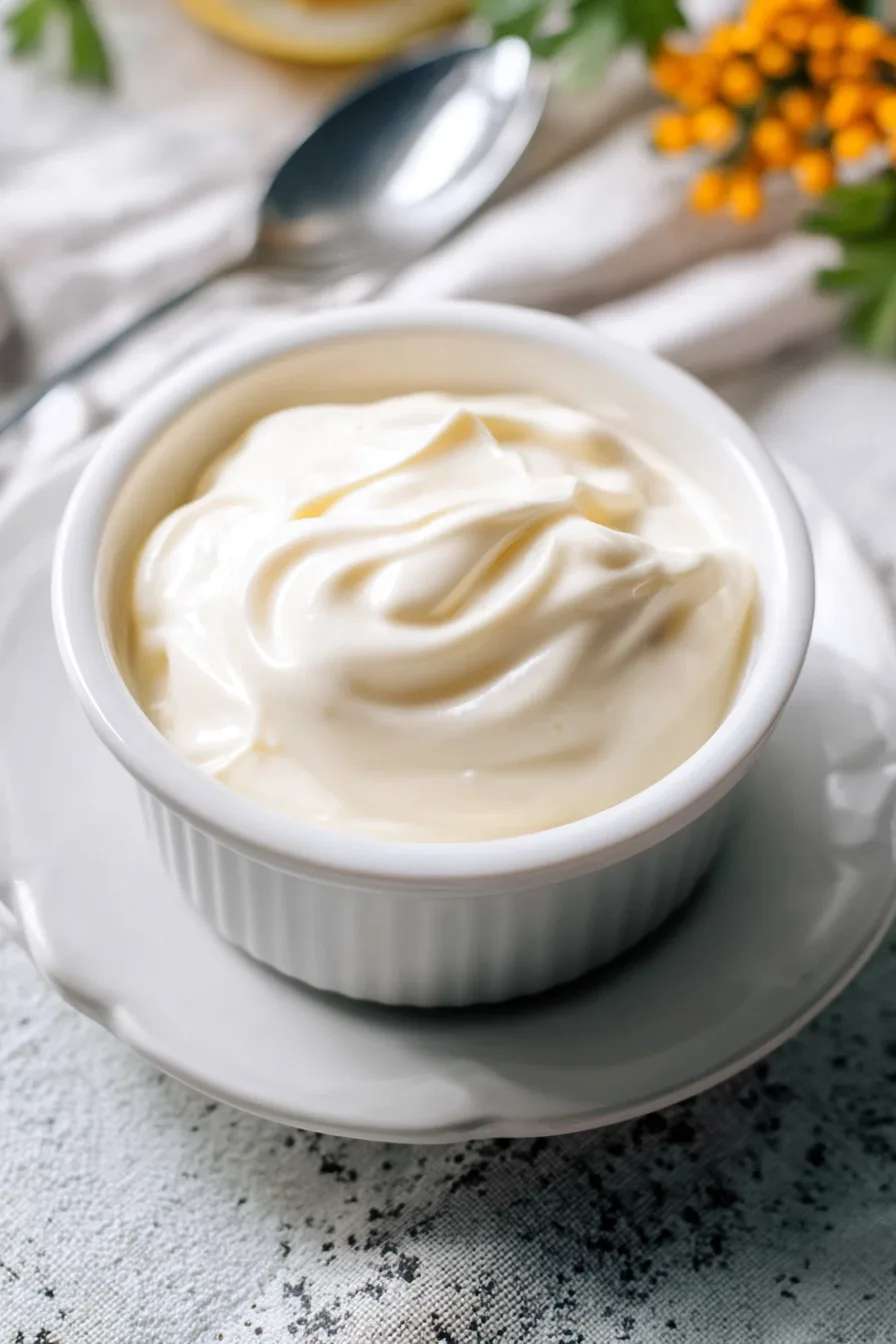
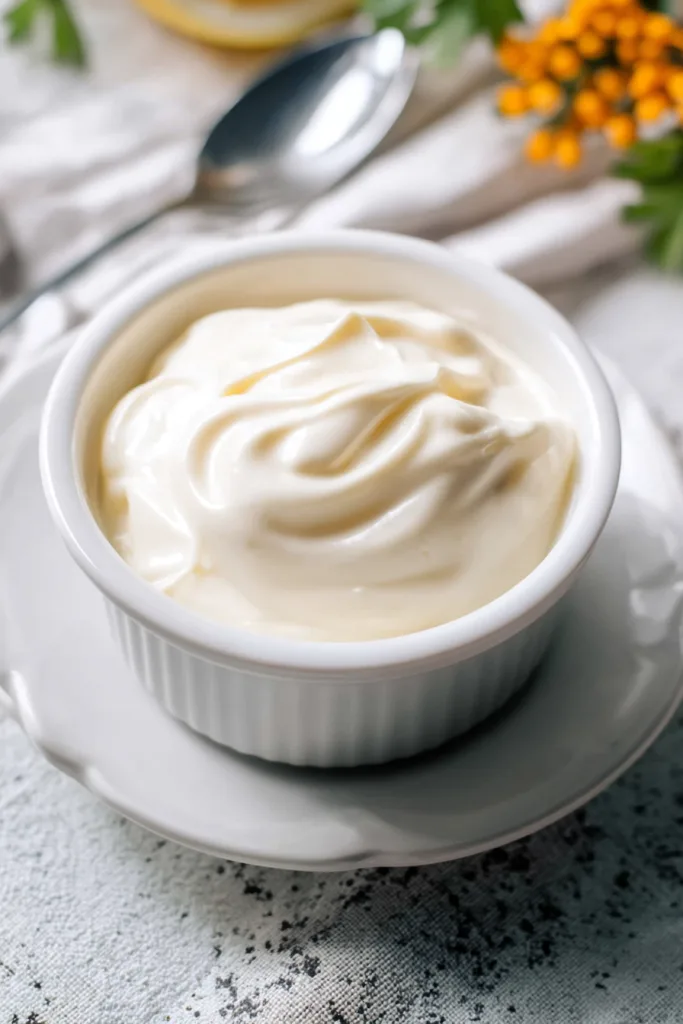
This mayo is rich and creamy. It has a bright, tangy flavor that store-bought versions just cannot match. It works beautifully as a spread, a dip, or a base for other keto-friendly dressings. The texture is thick and luscious and spreads like a dream on your favorite keto bread.
Let’s break down exactly what you need before we get started.
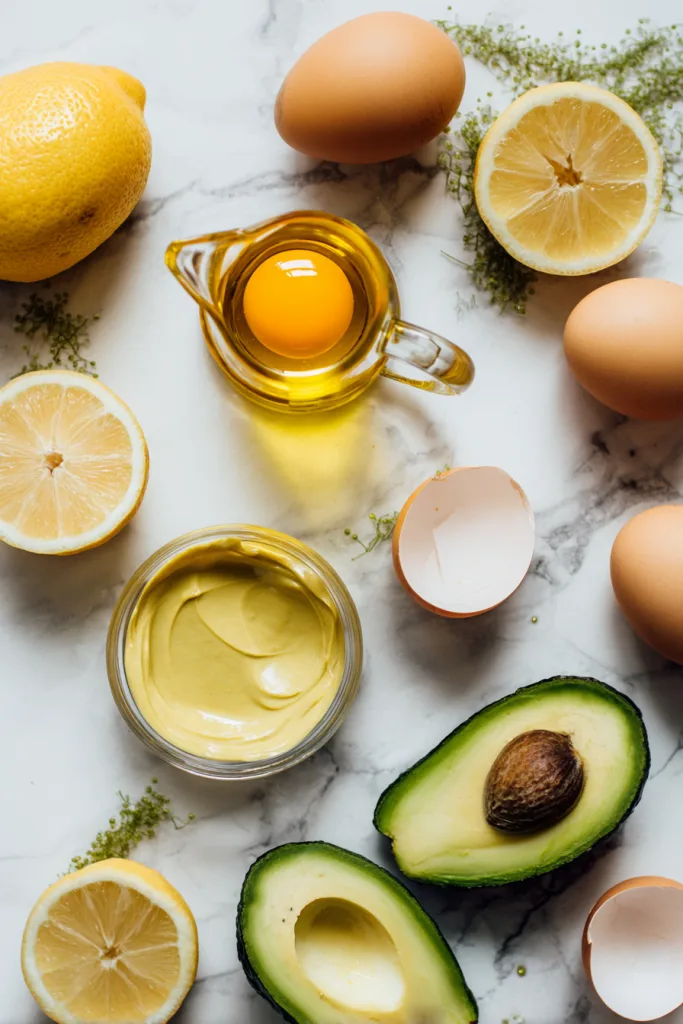
What You Will Need
| Ingredient | Quantity | Notes |
|---|---|---|
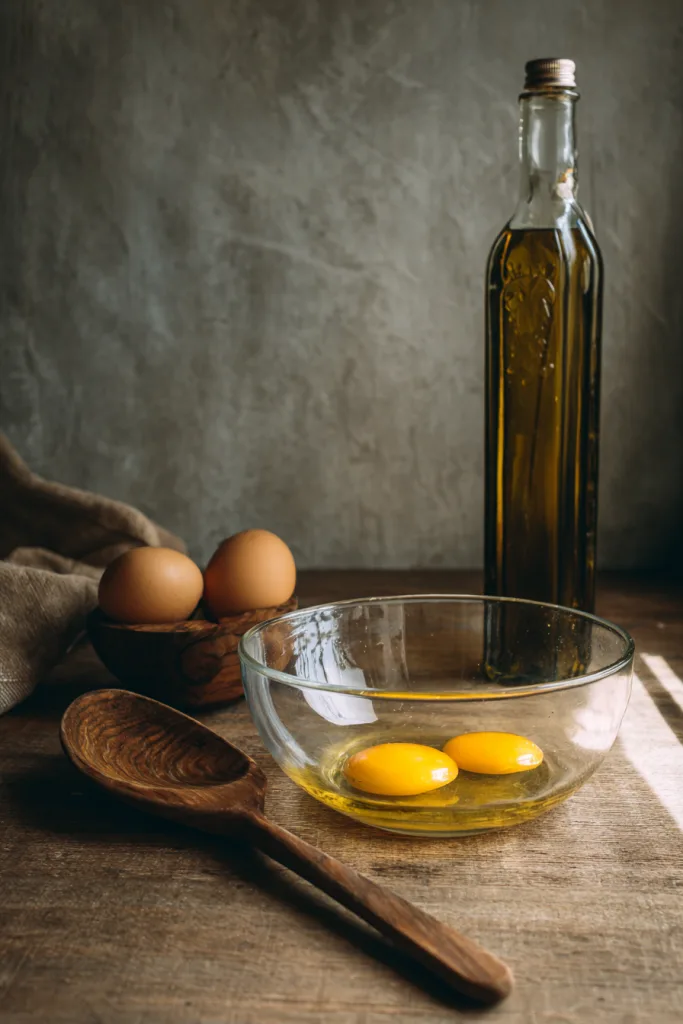
| Egg yolks | 2 | Must be at room temperature |
| Ground mustard | 1 tsp | Dry mustard powder, not the prepared kind |
| Avocado oil | 1 cup | Neutral flavor works best |
| Lemon juice | 2 tsp | Freshly squeezed is always better |
Simple, right? Now let’s talk about why each one of these ingredients actually matters.
One number worth having before you start: this makes about 1¼ cups, which is 20 tablespoons, and a tablespoon works out at roughly 100 calories, 11g of fat and effectively no carbohydrate at all. That last part is the whole point — a supermarket jar can carry added sugar, and a bowl with four things in it has nowhere to hide any.
A Closer Look at the Ingredients
Egg Yolks
Two large egg yolks are the foundation of this entire recipe. And this is important: they absolutely must be at room temperature before you start. Cold egg yolks will not emulsify properly with the oil. They will fight it instead of blending with it.
Room temperature yolks mix smoothly and quickly. They create that thick, velvety texture that makes a good mayo feel so satisfying. I always recommend using the freshest eggs you can find. Pasteurized eggs are an especially smart choice here since the mayo stays raw and uncooked.
Ground Mustard
Mustard does double duty in this recipe. Yes, it adds a gentle warmth in the background. But more importantly, it acts as an emulsifier — the mucilage in the ground seed is what does that work, which is why the dry powder is every bit as effective here as a jar of prepared mustard. It helps bind the oil and the egg yolks together so they do not separate into a greasy puddle.
Think of it like the glue holding everything in place. Just one teaspoon gives you the perfect balance of flavor and structure.
Avocado Oil
This makes up most of the recipe by volume. One full cup of avocado oil. I love using it because the flavor is wonderfully neutral. It does not overpower the other ingredients the way extra virgin olive oil would. Avocado oil also fits perfectly into a keto lifestyle from a nutritional standpoint.
The end result tastes light, fresh, and incredibly versatile.
Lemon Juice
A little acidity goes a long way here. Two teaspoons of fresh lemon juice cut right through all that richness. It adds a bright, clean finish that keeps the mayo from feeling too heavy. The natural acidity also helps stabilize the mixture as everything comes together.
Always use fresh lemon juice if you can. The bottled stuff just does not hit the same way.
The Science Behind Perfect Mayo
Making mayo is honestly a little bit like a science experiment. A fun one, though.
You are forcing two things together that would rather stay apart. Oil and water-based ingredients naturally repel each other. Emulsification is the process that convinces them to get along. The egg yolk and mustard act as go-betweens, bonding with both the oil and the liquid at the same time.
The trick to making it work? Add the oil slowly. Painfully slowly, at first. Drop by drop. If you rush it, the whole thing falls apart immediately.
Step-by-Step Instructions
Start by gathering all your ingredients and setting them out on your counter. Make sure those egg yolks have been sitting at room temperature for at least 30 minutes. Cold eggs are the number one reason homemade mayo fails.
Add the two egg yolks and the ground mustard to a clean mixing bowl. Whisk them together aggressively until the mixture is completely smooth and slightly lighter in color. You want them fully combined before a single drop of oil goes in.
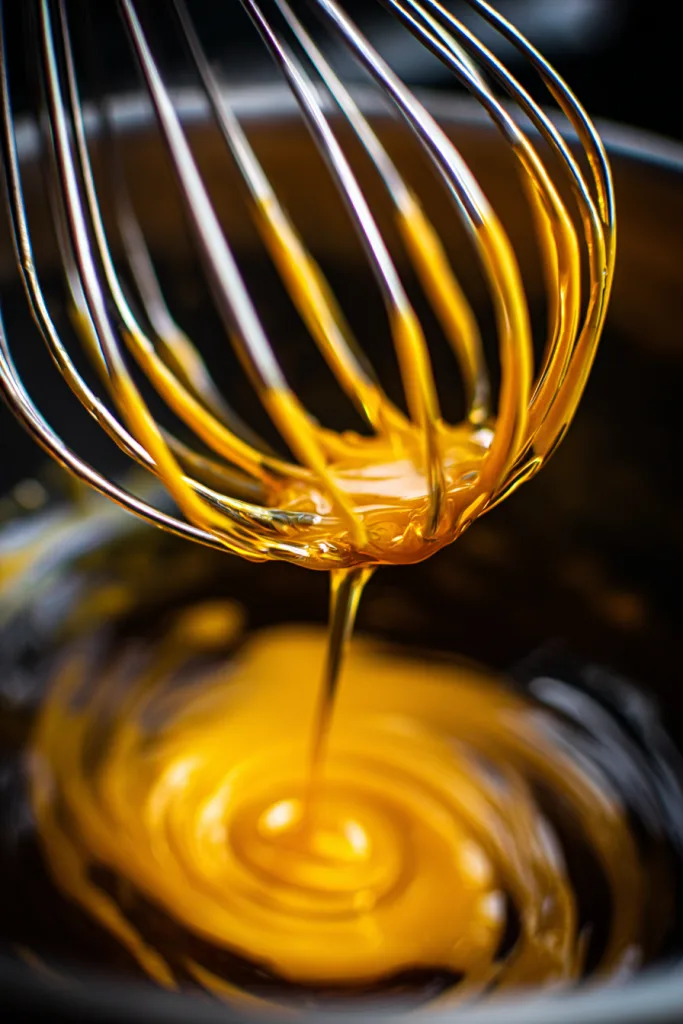
Now comes the most important part. Start adding the avocado oil. Drop by drop. Seriously, just a few drops at a time. Whisk constantly as you go. Do not stop. Do not rush.
I remember the first time I tried making mayo at home. I got impatient halfway through and poured too much oil at once. The whole thing turned into a greasy, separated mess in about three seconds flat. Lesson learned the hard way.
Keep whisking and slowly streaming in the oil. You will notice the mixture starting to thicken and turn pale and creamy. That is exactly what you want to see. Once all the oil is fully incorporated, whisk in the two teaspoons of fresh lemon juice. Add a generous pinch of salt and pepper to taste.
Give it one final stir. Transfer to a sterilized glass jar, seal it up, and refrigerate for at least an hour before using.
That is genuinely all there is to it.
Which Equipment Should You Use?
You have a few good options here depending on how much effort you want to put in.
- By hand with a whisk: My personal favorite method. It gives you the most control over the texture. Yes, your arm will feel it. Worth it.
- Immersion blender: Fast, easy, and almost completely foolproof. Place all ingredients in a tall narrow jar. Push the blender all the way to the bottom. Blend on high without moving it for 20 seconds. Once the bottom turns thick and white, slowly pull the blender upward.
- Food processor: Also works well. Add the yolks and mustard first, pulse together, then slowly drizzle the oil through the feed tube while the motor runs.
No matter which method you choose, the slow oil rule always applies.
How to Fix Broken Mayonnaise
It happens to everyone at some point. You look in the bowl and it is thin, greasy, and completely separated. Your heart sinks a little.
Do not throw it out.
Here is the rescue trick. Put one fresh egg yolk in a clean bowl and whisk it on its own for a few seconds. Then slowly whisk your broken mixture into that yolk, a little at a time. Watch it come back together into a smooth, glossy emulsion right before your eyes.
It feels almost like magic every single time.
Fun Flavor Variations
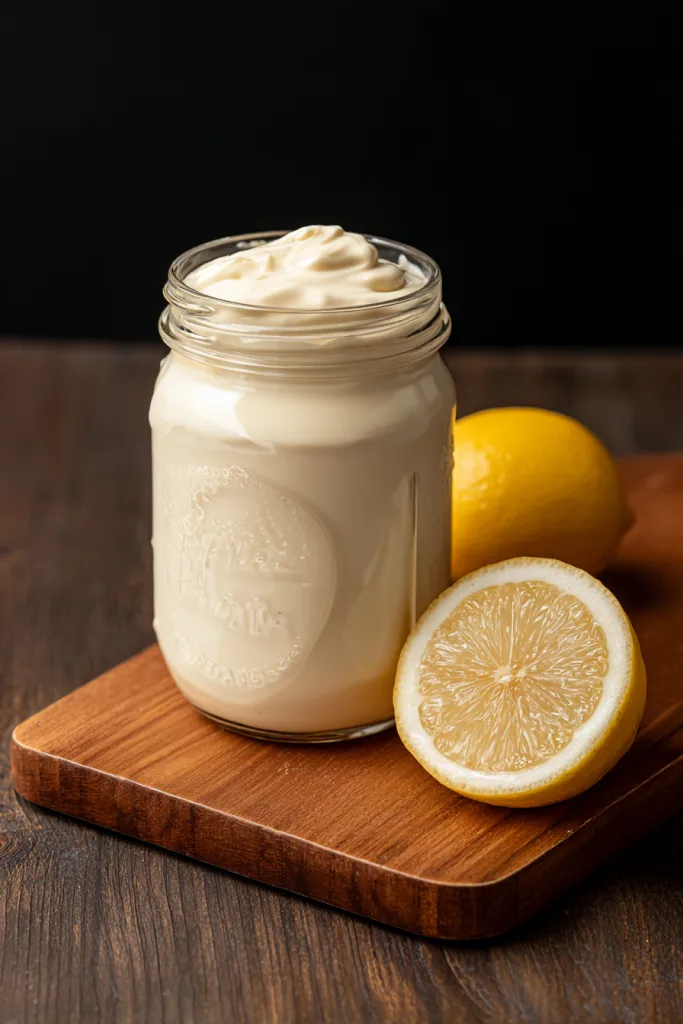
Once you have the base recipe down, the fun really begins. This mayo is basically a blank canvas.
- Garlic aioli: Whisk in a spoonful of roasted garlic paste at the end.
- Spicy mayo: Add a pinch of cayenne pepper or a dash of hot sauce.
- Herb mayo: Fold in finely chopped fresh dill, chives, or parsley.
- Smoky mayo: Stir in a pinch of smoked paprika for a deep, savory flavor.
Each variation takes about 30 extra seconds. Totally worth experimenting with.
Storage Tips
Because this recipe uses raw egg yolks, proper storage really matters. Here is what you need to know:
- Always keep it refrigerated in a sterilized glass jar with a tight lid.
- It stays fresh for up to five days.
- Always use a clean spoon when scooping it out. This one simple habit prevents bacteria from sneaking in and spoiling the whole batch.
- Do not try to freeze it. It will separate when it thaws and the texture will be completely ruined.
Frequently Asked Questions
Can I use coconut oil instead of avocado oil? Regular coconut oil solidifies in the fridge, which gives the mayo a strange, hard texture. You could use fractionated liquid coconut oil if you really want to. But avocado oil still gives you the best traditional flavor and texture.
Why did my mayo turn out runny? The oil was probably added too fast. It can also happen if the eggs were still cold. Try the egg yolk rescue method described above and it should come back together nicely.
Can I swap out the lemon juice? Absolutely. Apple cider vinegar works really well here. It gives you the same sharp acidity without changing the texture. Use the exact same measurement: two teaspoons.
Is this recipe dairy-free? Yes, completely. There is no dairy anywhere in this recipe. The creamy texture comes entirely from the eggs, mustard, and oil.
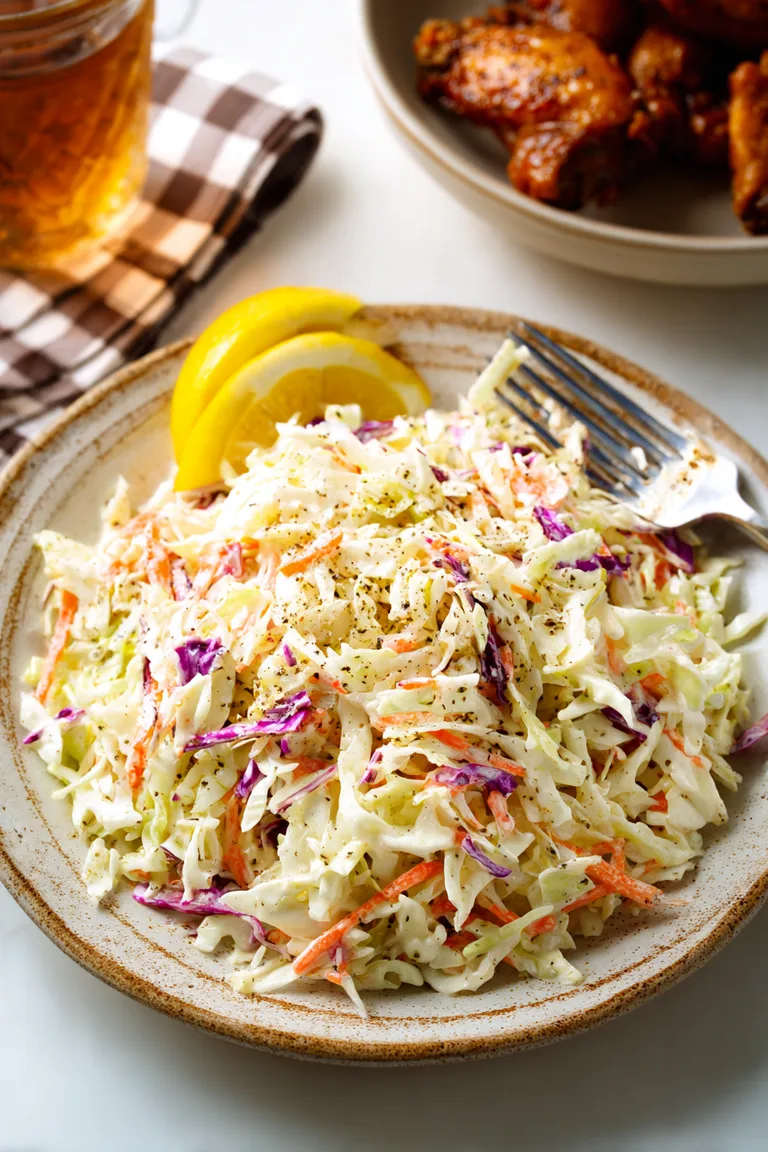
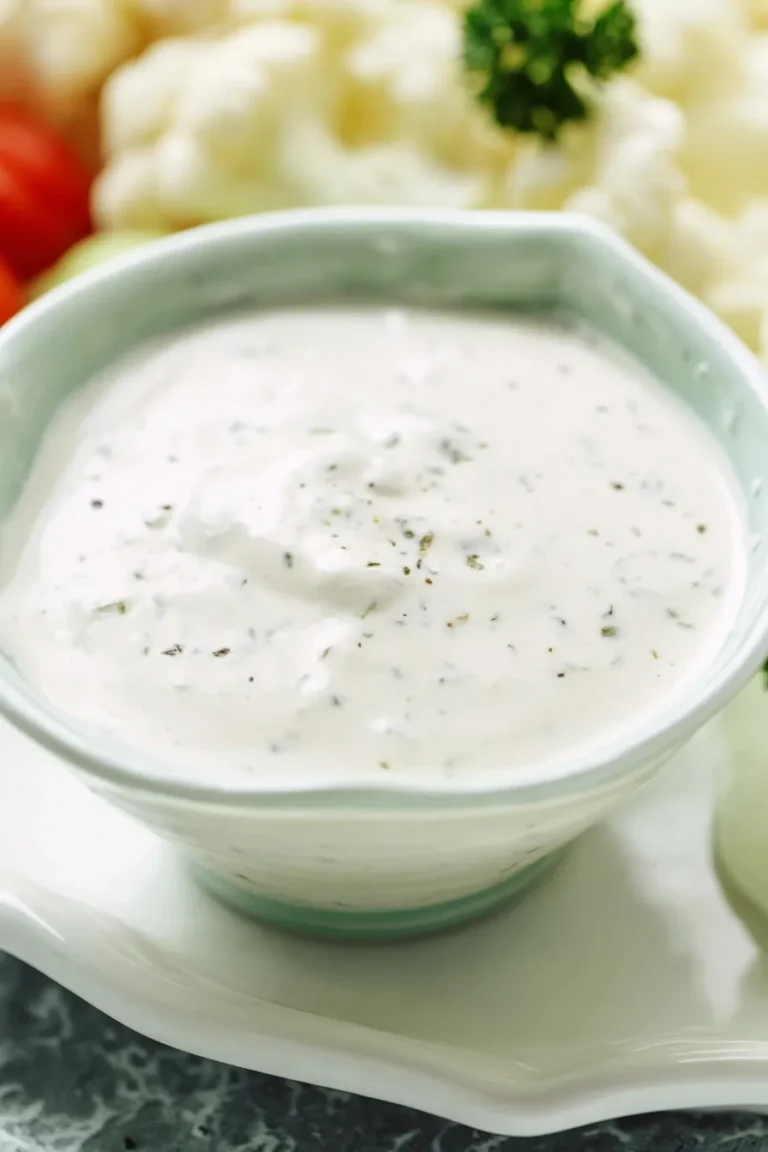
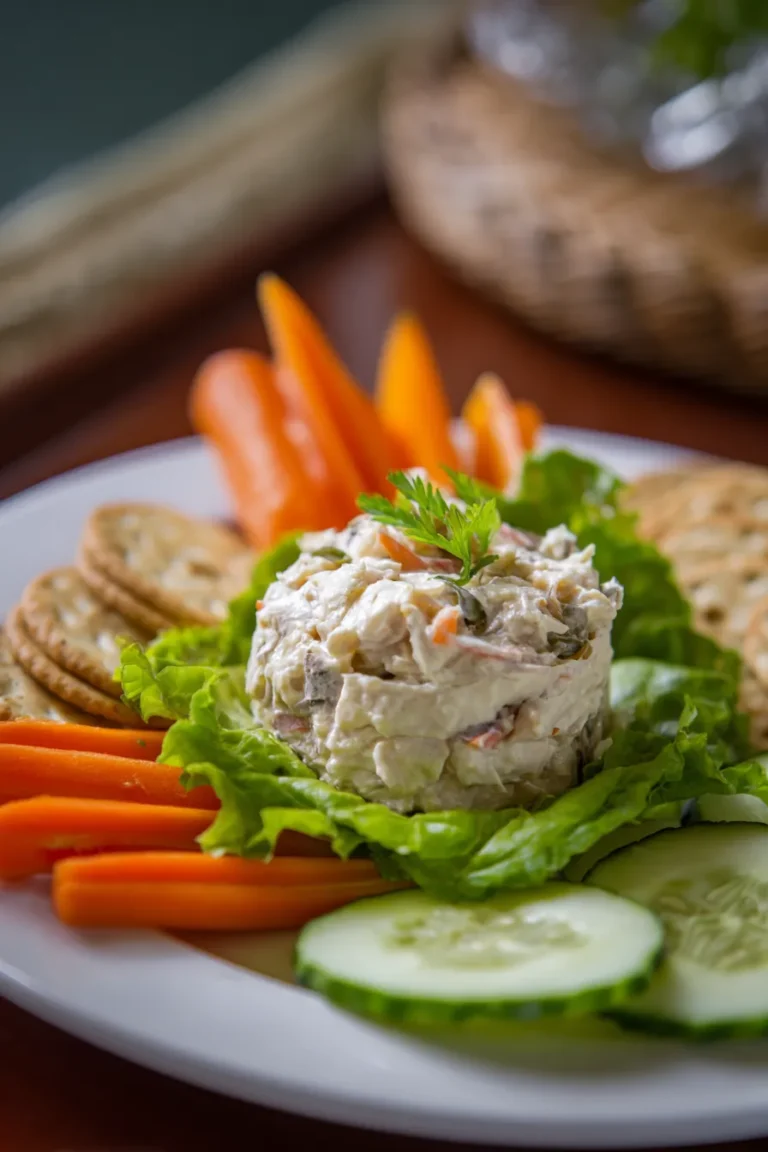
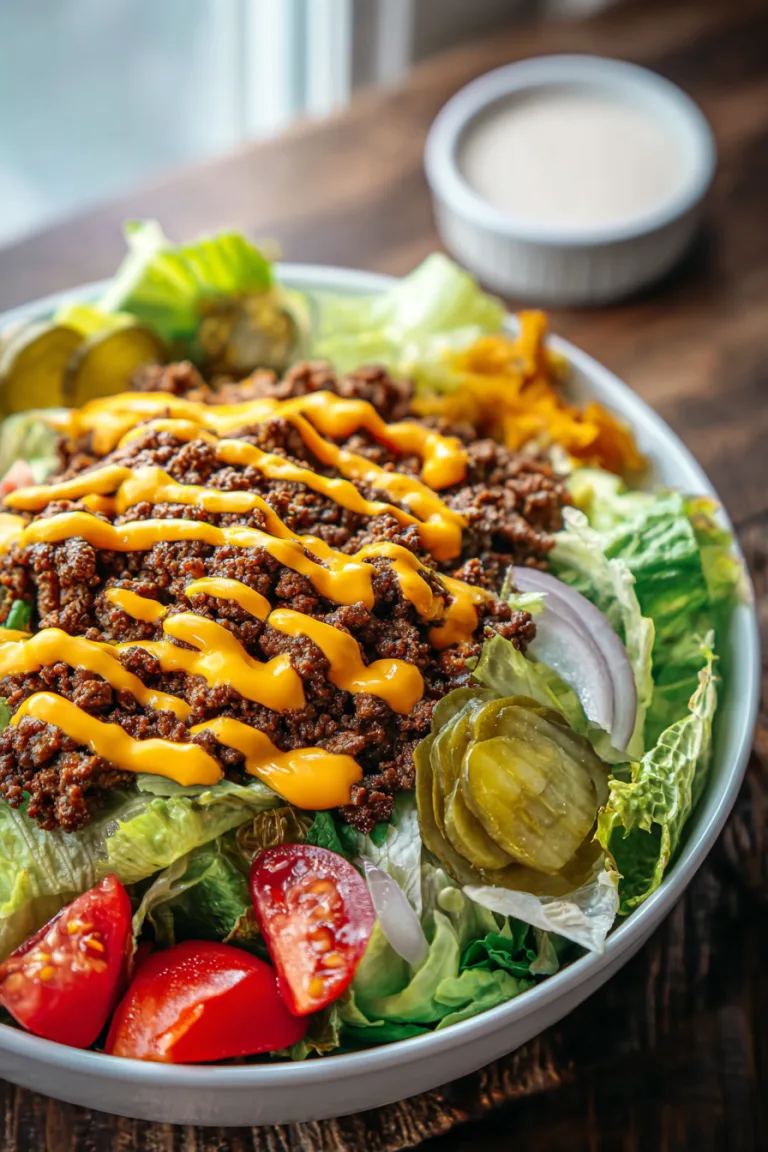
Once a jar of this is in the fridge, the recipes here that lean on it hardest are my keto ranch dressing, which is two thirds of a cup of mayonnaise before anything else goes in, and the two lunch standbys, keto chicken salad and keto tuna salad. Homemade makes the most difference in those three, because there is nothing else in them for a dull mayonnaise to hide behind.
One more thing to put it in: my keto egg salad uses two tablespoons of mayonnaise against six eggs, at 1g net carbs a serving, with nothing else in the bowl to cover for a dull one.
Easy Homemade Keto Mayonnaise
Ingredients
- 2 egg yolks Must be at room temperature; pasteurized recommended
- 1 tsp ground mustard dry mustard powder, not the prepared kind
- 1 cup avocado oil Neutral flavor
- 2 tsp lemon juice Freshly squeezed
- Salt and pepper To taste
Instructions
- Ensure egg yolks have been sitting at room temperature for at least 30 minutes to ensure proper emulsification.
- Add the egg yolks and ground mustard to a clean mixing bowl. Whisk aggressively until the mixture is smooth and slightly lighter in color.
- Begin adding the avocado oil drop by drop while whisking constantly. Do not rush this step.
- Continue streaming in the oil very slowly as the mixture thickens and turns pale and creamy.
- Once all oil is incorporated, whisk in the lemon juice and season with a pinch of salt and pepper.
- Transfer to a sterilized glass jar and refrigerate for at least one hour before serving.
Notes
Keep cooking